The Brutal Earth: Stripping Away the Glaze
23 March 2026
Embracing wabi-sabi and brutalist luxury, modern ceramicists are abandoning flawless glazes to forge wild, unrefined clay in wood-fired kilns. These fiercely tactile vessels capture the chaotic, elemental truth of the earth.
For centuries, the absolute pinnacle of ceramic achievement in Korea—and indeed across the broader expanse of East Asian high culture—was defined by a relentless, almost ascetic pursuit of purity, refinement, and control over the natural world. The ethereal celadon of the Goryeo dynasty, with its flawless, pale jade-like glaze, and the austere, milky-white porcelain of the Joseon dynasty, represented a philosophical ideal of aristocratic perfection. In these traditional paradigms, the raw clay was meticulously levigated, washed, and sieved repeatedly to remove all terrestrial impurities, stones, and organic debris. The resulting material was a blank, pristine canvas. The glazes, carefully chemically balanced, were formulated to create a smooth, impermeable, glassy barrier between the raw earth and the human user. It was an aesthetic of elevation, designed to transcend the mud from which it was born. But today, a powerful, philosophically charged counter-movement is surging through the studios of the contemporary avant-garde. These modern practitioners are deliberately abandoning the pursuit of the flawless, glossy surface. They are stripping away the glaze entirely, seeking instead to expose the brutal, unrefined, and chaotic truth of the earth itself. This is the dawn of brutalist luxury in ceramics—a movement that finds the sublime not in perfection, but in raw, unmediated reality.
This movement is a profound return to the primal origins of the craft, echoing the ancient, unglazed earthenware of prehistoric civilizations, yet executed with a distinctly contemporary, sculptural, and existential sensibility. The philosophy underpinning this shift is deeply rooted in the tenets of wabi-sabi—the ancient Japanese aesthetic worldview that finds profound beauty in the imperfect, the impermanent, and the incomplete. By rejecting commercially refined, homogenized clays, these artisans reject the sterile predictability of modern industrial life. Instead, they forage for wild earth, venturing into the mountains and riverbeds to harvest raw dirt. They intentionally mix in coarse sand, jagged pebbles, and combustible organic matter to create a heavily 'grogged' body. This material is inherently difficult to work; it bites back at the hands that shape it, resisting the wheel and prone to violent cracking as it dries. Yet, it is precisely within this resistance that the soul of the material is forged. The clay is no longer a passive, obedient servant to the artist's ego; it becomes an active, formidable collaborator.
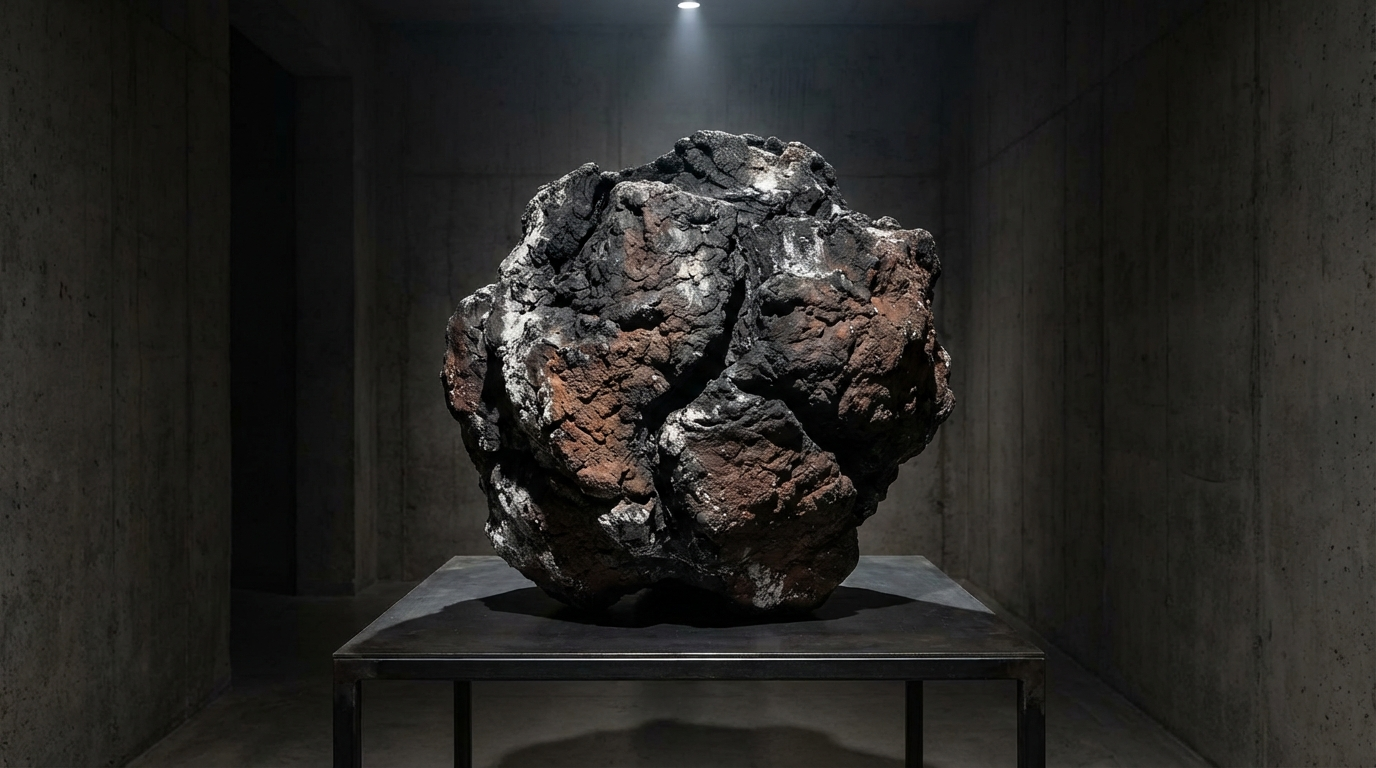
The forms they build from this wild earth are rarely symmetrical, and they frequently abandon traditional utilitarian function. They are thick, heavy, and brutally textured, resembling fallen meteorites, ancient volcanic vents, or tectonic fragments torn directly from the crust of the earth. Here, we see the echoes of the Daoist concept of 'pu', or the uncarved block—a state of pure potential that is inherently valuable exactly as it is, without the need for human embellishment or artificial refinement. The artists do not seek to impose a rigid, geometric will upon the clay. Instead, they coax forms that honor the natural slump and sag of the heavy earth, allowing the material's innate gravitational pull to dictate the final silhouette. The resulting vessels are monumental, carrying a visual and physical weight that anchors the space around them. They are manifestations of the earth's deep, geological memory, brought into the light of human habitation.
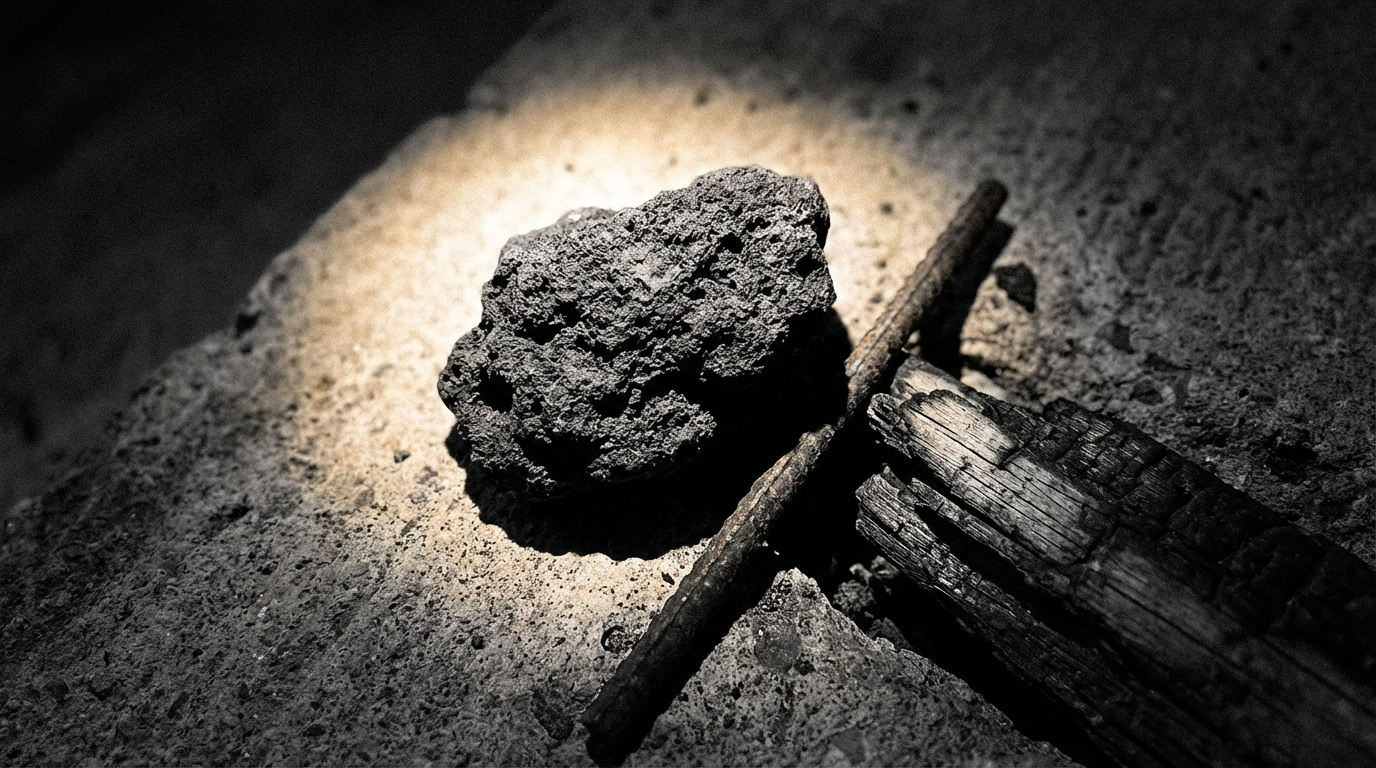
The true, unyielding character of these pieces, however, is born in the violence and alchemy of the kiln. Without a protective layer of glaze to mediate the intense heat, the raw, naked clay is left completely vulnerable to the chaotic atmosphere of the fire. This process is a masterclass in the interplay of Yin and Yang—the receptive, grounding energy of the earth (Yin) meeting the active, consuming, transformative energy of the fire (Yang). Many of these artists utilize traditional anagama or climbing wood-fired kilns, where the firing process takes several days and nights of relentless, sleepless stoking. The artisan must surrender their desire for total control, handing the fate of their work over to the elemental forces. It is a profound exercise in letting go, a physical meditation on impermanence and the limits of human agency.
Inside the roaring belly of the kiln, a violent choreography unfolds. As the wood burns, clouds of flying wood ash are carried by the draft, landing and melting directly onto the surface of the white-hot clay to create unpredictable, natural ash glazes. The erratic, swirling paths of the flames lick across the vessels, leaving deep, scorched shadows and flashes of unexpected, brilliant color, ranging from charred, carbon-trapped black to oxidized, rusty iron-red. The surface of the clay becomes a literal recording of the fire's passage. Every pit, crack, and kiss of flame is immortalized. The resulting surface is a topographic map of the firing process—a permanent, physical record of a fleeting, chaotic moment. It is the very embodiment of impermanence captured in stone, a paradox that elevates the ceramic vessel from a mere object to a philosophical text.
To touch one of these unglazed, brutalist vessels is a startlingly visceral experience. The surface is abrasive, pitted, and fiercely tactile; it demands to be felt, not just seen. In our modern aesthetic landscape—a world increasingly dominated by the frictionless, the virtual, the smooth glass screens of our devices, and the polished, sterile plastics of mass production—these brutalist ceramics offer a necessary, desperate grounding. They are a profound rejection of the simulacra, a rebellion against the manufactured perfection that insulates us from the natural world. In the context of luxury, they redefine what is precious. True luxury is no longer found in flawless, replicable shine, but in authenticity, rarity, and the undeniable mark of nature's chaotic hand.
These unglazed forms remind us of a humbling truth: beneath the poured concrete of our cities, beneath the sanitized veneers of our modern existence, the earth remains raw, violent, and unfathomably old. By stripping away the polite refinement of the glaze, these emerging artists are not making mere pottery. They are acting as shamans of the soil, capturing fragments of untamed geology and bringing the terrifying, beautiful weight of the raw earth into the quiet, curated spaces of our daily lives. In doing so, they invite us to embrace our own imperfections, to recognize our own impermanence, and to find a deep, resonant peace in the brutal, unvarnished truth of the natural world.