The Digital Hand: Algorithms and Ancient Sap
23 March 2026
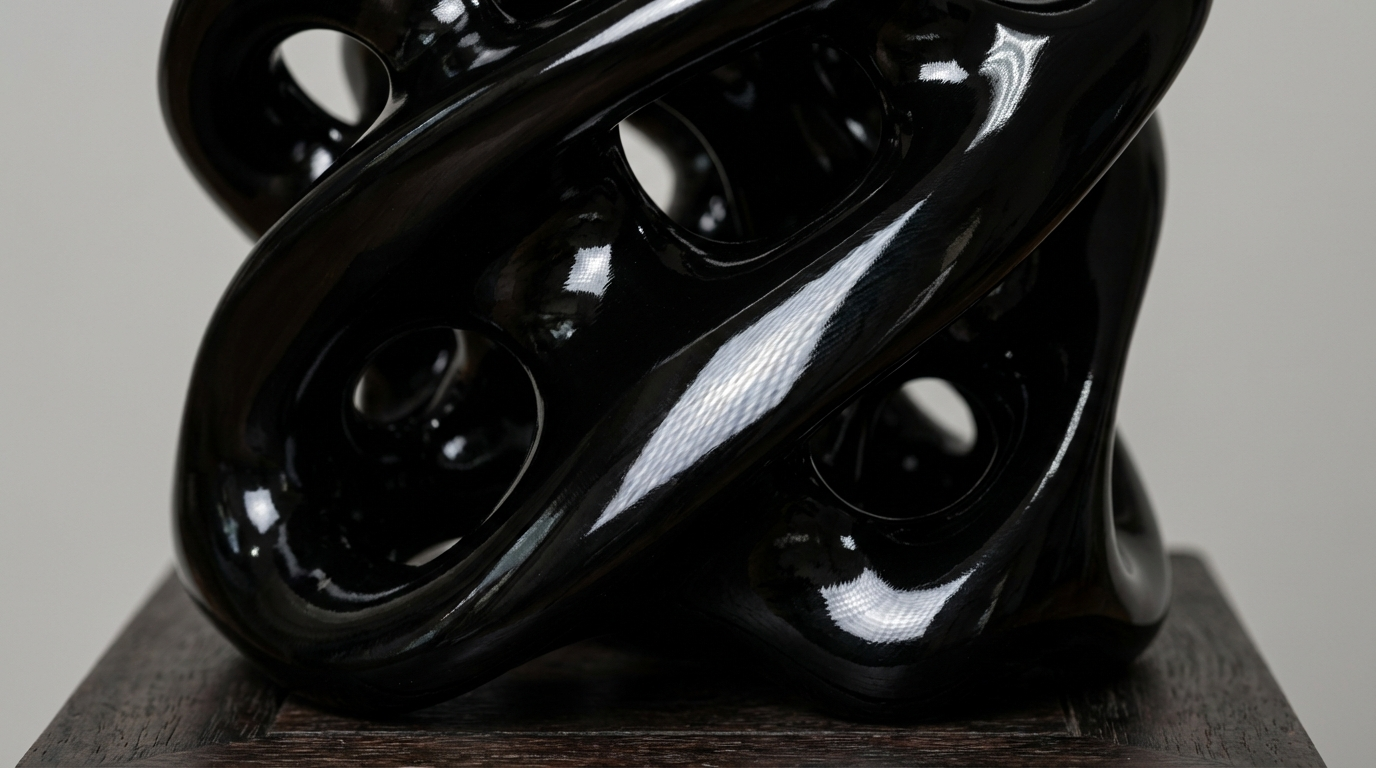
Advanced algorithms and 3D printing now provide intricate substrates for ancient Ottchil lacquer. This fusion of rapid technology and slow, organic alchemy creates a new paradigm of luxury, balancing machine precision with natural impermanence.
For millennia, the transmission of craft was an intimately physical, almost sacred process. It was a silent, unbroken dialogue of flesh and earth, passed from master to apprentice through the quiet observation of calloused hands and the repetitive, agonizing training of muscle memory. The tools were mere extensions of the human body: the gouge, the brush, the wheel, the kiln. They translated the erratic, beautiful rhythm of human breath and heartbeat into physical form. Today, however, we stand at the precipice of a profound material revolution. A new paradigm is introducing a radical, invisible tool to the ancient lexicon of craft: the algorithm. By marrying the hyper-rationality of parametric design and 3D printing with the grueling, visceral, and ancient practice of Ottchil—traditional Korean lacquer—we are witnessing a breathtaking synthesis of the digital and the organic. This is not a clash of eras, but a profound philosophical reconciliation. It creates forms that were previously unimaginable to the human mind, yet finishes them with a fathomless, luminous depth that only the slow, unrelenting passage of time can yield.
The genesis of this new artifact begins in the sterile, infinite, and weightless vacuum of a computer screen. Here, the constraints of the physical world—gravity, friction, material fatigue—do not exist. Using complex mathematical equations and generative algorithms, forms are sculpted that mimic the microscopic, hidden architectures of nature. This is the realm of the parametric, where the artist becomes a conductor of pure data, orchestrating the chaotic lattice of bone structures, the fluid dynamics of a crashing wave, or the spiraling, Fibonacci geometry of a nautilus shell. These are shapes too intricate, too mathematically precise, and too structurally complex to be carved by human hands. They represent a kind of brutalist luxury—a raw, unapologetic manifestation of pure data and machine logic, unhindered by human limitation. The digital file is then fed to a 3D printer, a machine that meticulously builds the physical object layer by microscopic layer out of photopolymer resin or bioplastic. At this stage of its genesis, the object is a marvel of modern technological prowess. Yet, it remains spiritually dormant. It is a ghost trapped in a synthetic shell, lacking the warmth of human touch, the irregular pulse of life, and the heavy, anchoring weight of history.
To leave the object in this state would be to celebrate only half of the universe's inherent duality. In the ancient philosophy of yin and yang, the cold, calculating, and rapid expansion of the digital (yang) must be grounded, subdued, and completed by the dark, slow, and receptive nature of the earth (yin). The algorithmic form, for all its structural brilliance, lacks the soul of impermanence. It does not know how to age gracefully; it only knows how to degrade. It requires a radical intervention that introduces the poetry of decay, the unpredictability of nature, and the deep, resonant echoes of wabi-sabi—the aesthetic appreciation of the imperfect, the impermanent, and the incomplete. Even though the 3D-printed substrate is mathematically flawless, it must be subjected to the chaotic, living forces of the natural world to achieve true, resonant luxury. Luxury, in its highest philosophical form, is not merely the absence of flaw; it is the tangible presence of time.
This is where the ancient alchemy of Ottchil begins, serving as the vital, grounding force. The 3D-printed form becomes the new substrate, audaciously replacing the traditional carved wooden core. The artisan takes this product of rapid, hours-long digital fabrication and subjects it to the agonizingly slow, rhythmic, and punishing discipline of traditional lacquer work. Ottchil is not merely a surface coating; it is a living entity. The toxic, amber sap is harvested drop by drop from the lacquer tree, a dangerous and laborious extraction that demands immense respect and exact timing. It is the literal lifeblood of the forest, carrying within it the memory of rain, rich soil, and changing seasons. When applied to the synthetic resin, it initiates a profound material dialogue between the ancient earth and the digital ether.
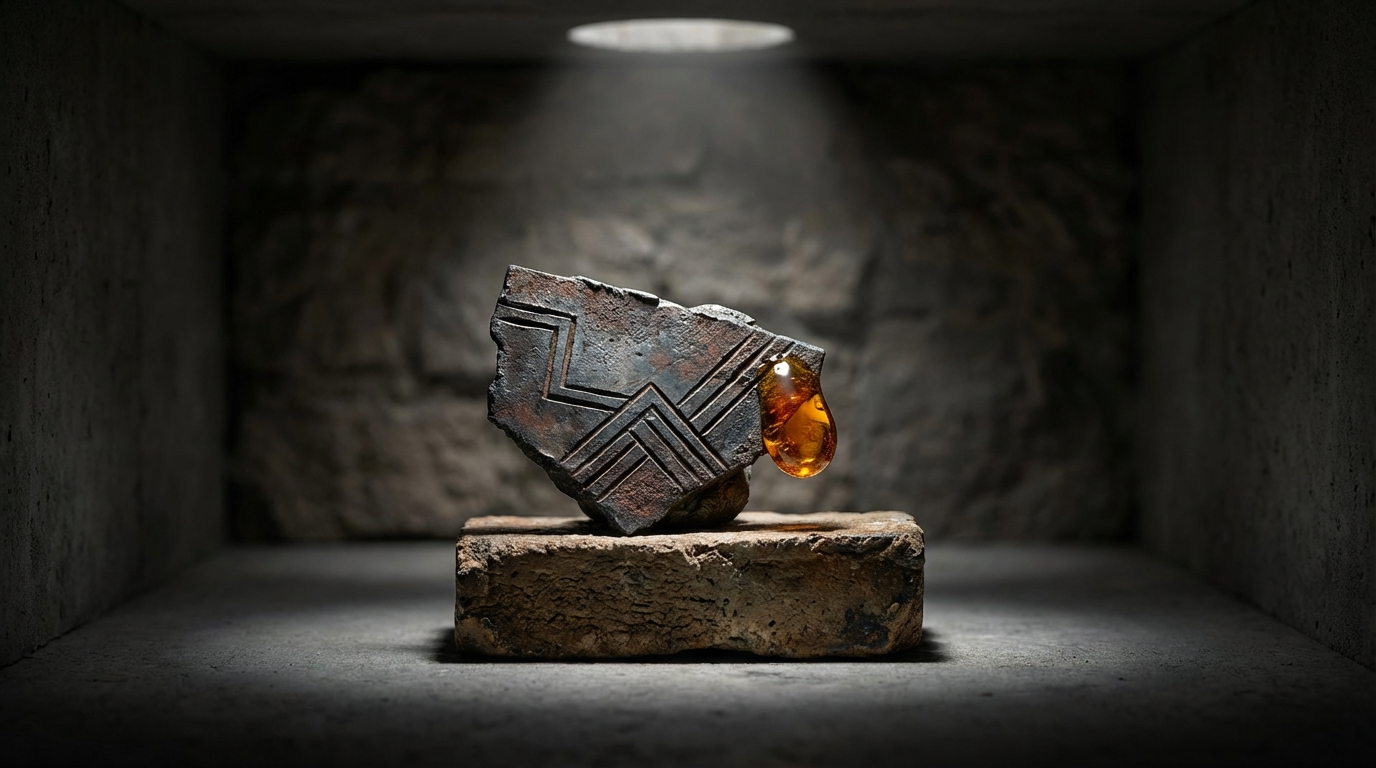
The application of Ottchil is a masterclass in patience and a total submission to the whims of nature. The sap is applied to the digital ridges in whisper-thin coats, demanding a level of physical focus that borders on ascetic meditation. Unlike synthetic varnishes that dry rapidly through simple evaporation, Ottchil only cures through a complex chemical reaction that requires high humidity and specific, unwavering temperatures. The object must be entombed in a specialized wooden cabinet—a dark, damp womb—for days between each microscopic layer. It literally drinks the moisture from the air to harden, breathing in the atmosphere around it. Once cured, the surface is mercilessly sanded back, destroying much of the artisan’s labor to ensure absolute smoothness. This punishing cycle of coating, curing, and sanding is repeated dozens, sometimes hundreds, of times over the course of many months. Slowly, the sterile, calculated ridges of the 3D print are buried beneath a flawless, mirror-like abyss of pitch-black or deep crimson lacquer. The algorithm is entirely swallowed by the sap.
Through this grueling process, the philosophy of wabi-sabi inevitably infiltrates the flawless digital design. The lacquer interacts with the microscopic striations of the 3D print in unpredictable ways. Stray dust motes, subtle variations in the sap's chemical composition from harvest to harvest, and the invisible fluctuations of ambient humidity leave imperceptible marks on the final finish. The human hand, with its micro-tremors and varying pressures during the endless sanding process, imparts a subtle, undulating warmth to the surface that no machine could ever replicate. The lacquer pulls the object out of the sterile vacuum of the digital realm and drags it into the messy, beautiful reality of the physical world. It gives the object a skin that will breathe, age, and subtly change color over centuries, capturing the very essence of impermanence.
The resulting object is a profound material paradox, a testament to the evolving definition of high-end craft in the twenty-first century. Its underlying geometry screams of the future, radiating the algorithmic complexity and absolute precision of the machine age. Yet, its luminous surface whispers of the deep past, radiating the organic luster and the immense, quiet labor of a centuries-old tradition. The Ottchil humanizes the algorithm, softening its brutalist edges with the warmth of the earth, while the digital form pushes the structural boundaries of the lacquer far beyond the traditional limitations of carved wood. This intersection is not a rejection of tradition; it is its ultimate, triumphant evolution. It proves that ancient techniques are not fragile, nostalgic relics meant to be preserved behind museum glass. They are robust, living languages, fully capable of articulating the cutting-edge concepts and complex anxieties of the modern era.
In this synthesis, we find a new philosophy of luxury—one that does not force a choice between the forward thrust of technology and the grounding weight of heritage. 'The Digital Hand' creates a new artifact for a new century. It is an object that captures the lightning-fast speed of the machine and suspends it forever within the slow, deliberate, and eternal stillness of the sap. It stands as a monument to human ingenuity and natural reverence, a silent teacher reminding us that true mastery lies not in conquering time or nature, but in forging a beautiful, enduring partnership with both.